
Study Russian

Welcome to the Russian program at Wake Forest!
We express our deep dismay at the Russian invasion of Ukraine, which has become the deadliest conflict in Europe since WWII. We extend our sincere sympathies to the people of Ukraine and everyone who has suffered as a result of this war, many of whom are our friends, family members, and colleagues, and stand in solidarity with all who seek to bring peace and stability to the region. This ongoing tragedy, which affects our faculty and students personally as well as academically and professionally, underscores the importance of area studies and cross-cultural knowledge as a foundation for peaceful and positive international relations in a time when humanity faces global challenges that will require global solutions.
The U.S. Department of State has designated Russian a Critical Need Language, a designation which underscores the vital importance of Russian language and culture studies in today’s world. Given Russia’s major geopolitical role in world affairs and the fact that it is still the lingua franca in many parts of Eurasia and the former USSR, the need for Americans with a thorough grounding in Russian language and culture is high. There is a growing demand in this country for people with Russian-language skills in a myriad of areas, including international relations, politics, law, business, the sciences, and national security.
Our strong proficiency-based methods of teaching in tandem with the department’s opportunities for study abroad in different parts of the former Soviet Union enable our students to excel in linguistic proficiency, intercultural competence, and intellectual sophistication. Many of our students double major in Russian and other disciplines, including history, literature, business, biology, computer science, and economics.
In addition to its focus on Russian language, the department actively engages in interdisciplinary teaching across the college and seeks to provide all students with a broader understanding of the cultural and ethnic diversity of the former USSR. This includes a much-needed reexamination of the effects of Russian and Soviet linguistic and cultural imperialism in Eastern Europe, the Balkans, the Baltics, the Caucasus, and Central Asia.
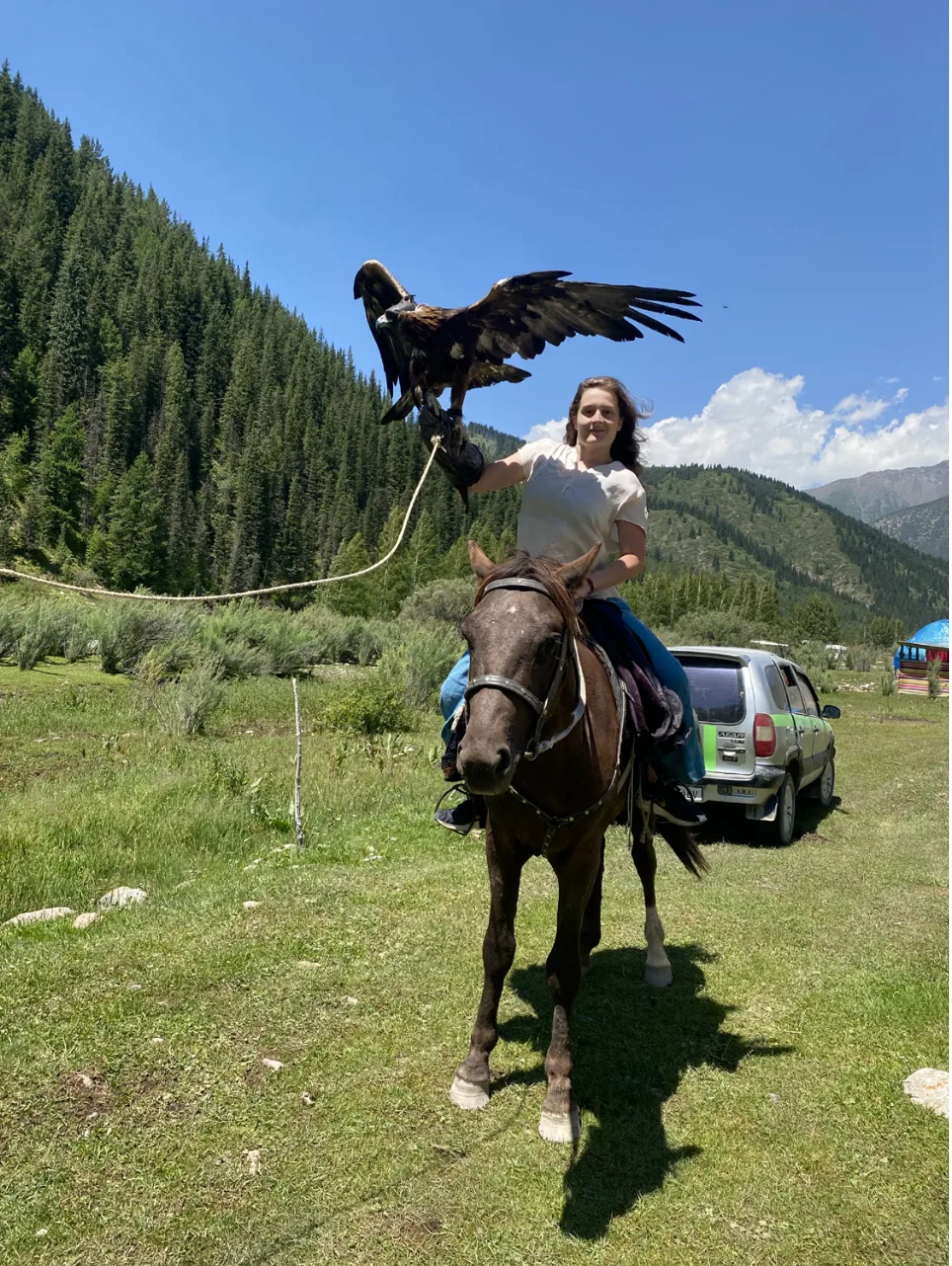
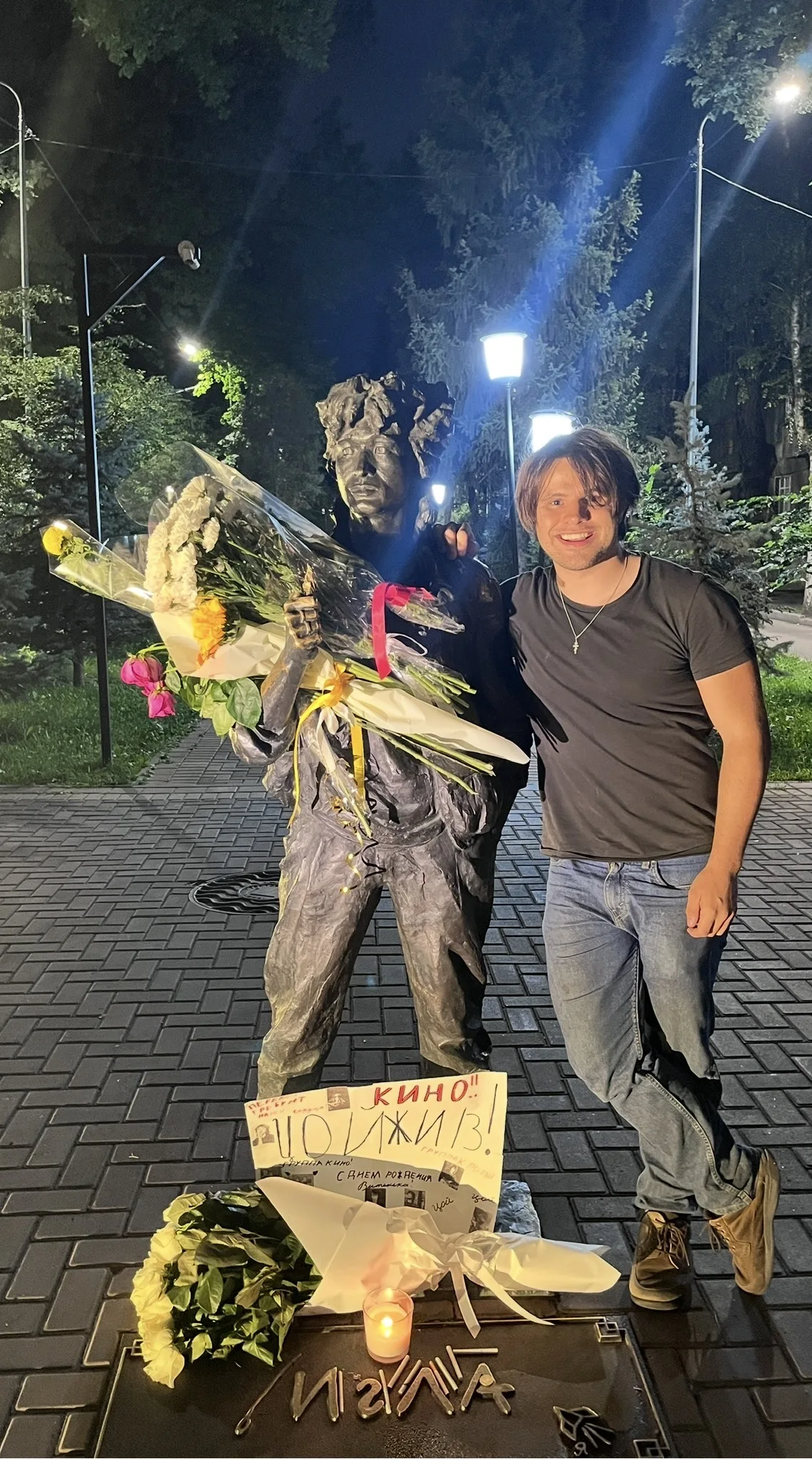
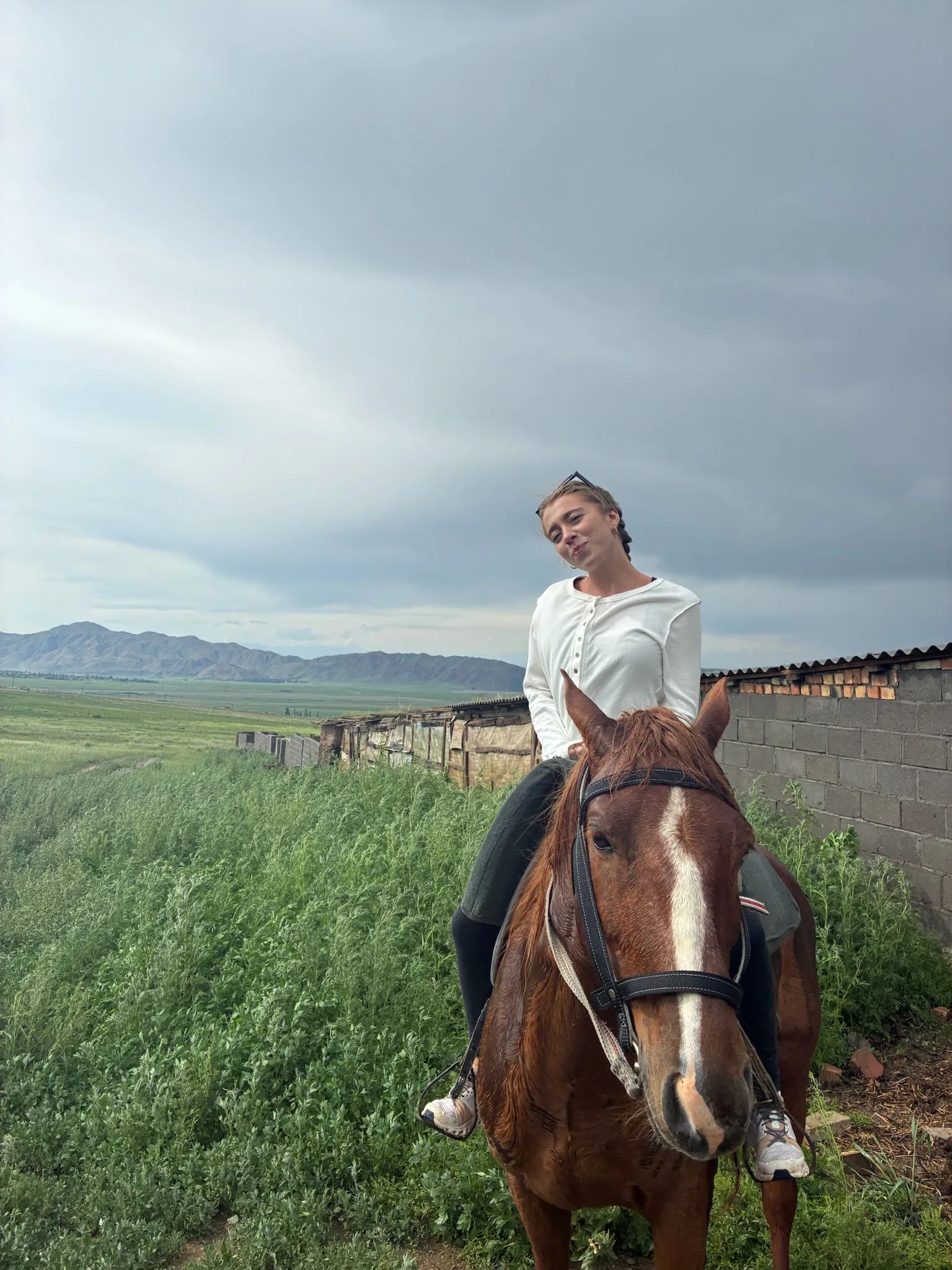
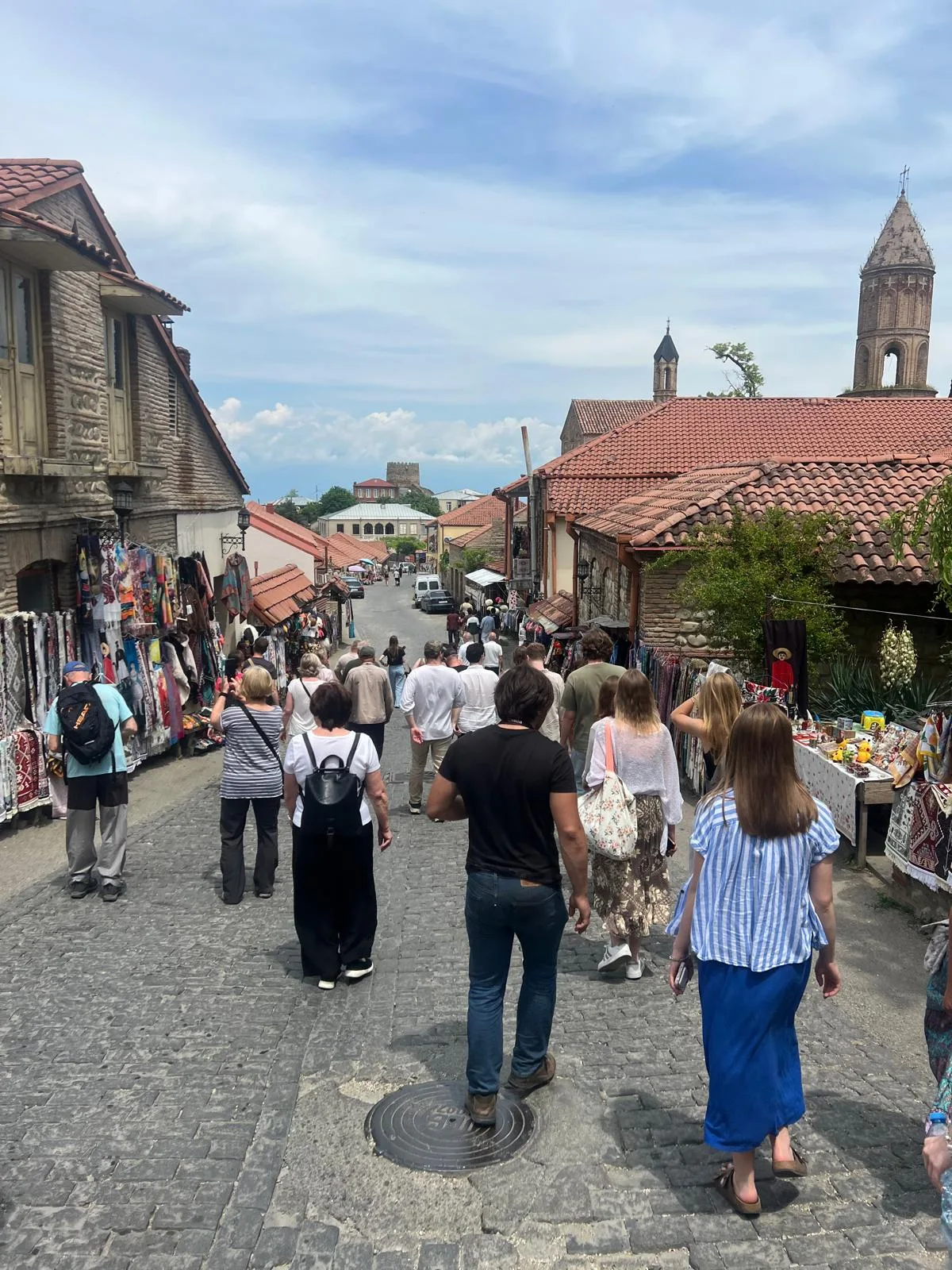
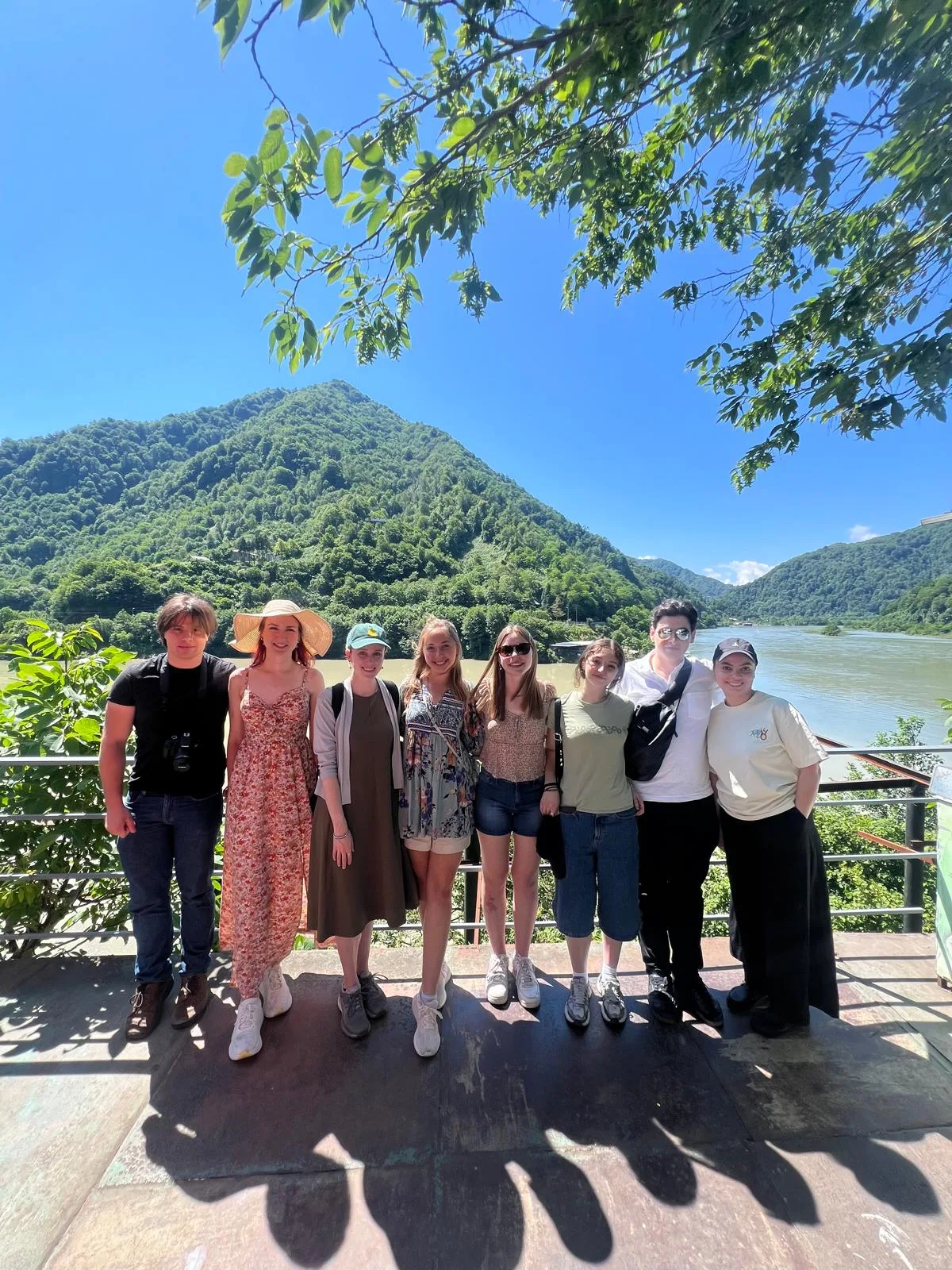
Wake Forest Russian students abroad in Kyrgyzstan, Kazakhstan, and Georgia:
A Russian major reflects on language learning in 2026:
In her prize-winning senior oration, “As the Stakes Rise,” Isabella Romine (’26), a double major in Russian and Politics & International Affairs and an Archie Award recipient, reflects on the importance of language study in today’s world. Here are Isabella’s words:
Confronting resistance is frustrating, but it is how truth and power reveal themselves.
My experience as a Wake Forest student actually began in 2021 in Moldova, a small landlocked Eastern European country nestled between Ukraine and Romania. What would have been my first year of college, just down the road from my hometown of Greensboro, North Carolina, instead became an experience that laid the foundation for my next four years at Wake Forest. It changed how I understood the stakes of learning in a world shaped by power and conflict.
[…]
The world is saturated with information and yet starving for understanding. Our attention-economy environment does not reward complexity: speed, certainty, simplicity, and even lies travel further. But complexity is not a weakness. Understanding is not found in an algorithm designed to reinforce what one already thinks. It demands patience, rigor, and the courage to sit with circumstances that resist simplification.
Moldova was not comfortable. Wake Forest was not meant to be either. What this education has given me—and what I believe it has already given us—is the discipline to resist the appeal of easy conclusions. A willingness to pay attention when we are met with pushback. To understand deflection and resistance not as a dead end, but as a signal to dig deeper. If we are armed with the ability to recognize resistance to truth and the forces that sustain these efforts, then the responsibility that follows is simple, even if it is not easy: to keep asking, to keep listening, and to carry the work forward of pursuing truth long after we leave this campus.